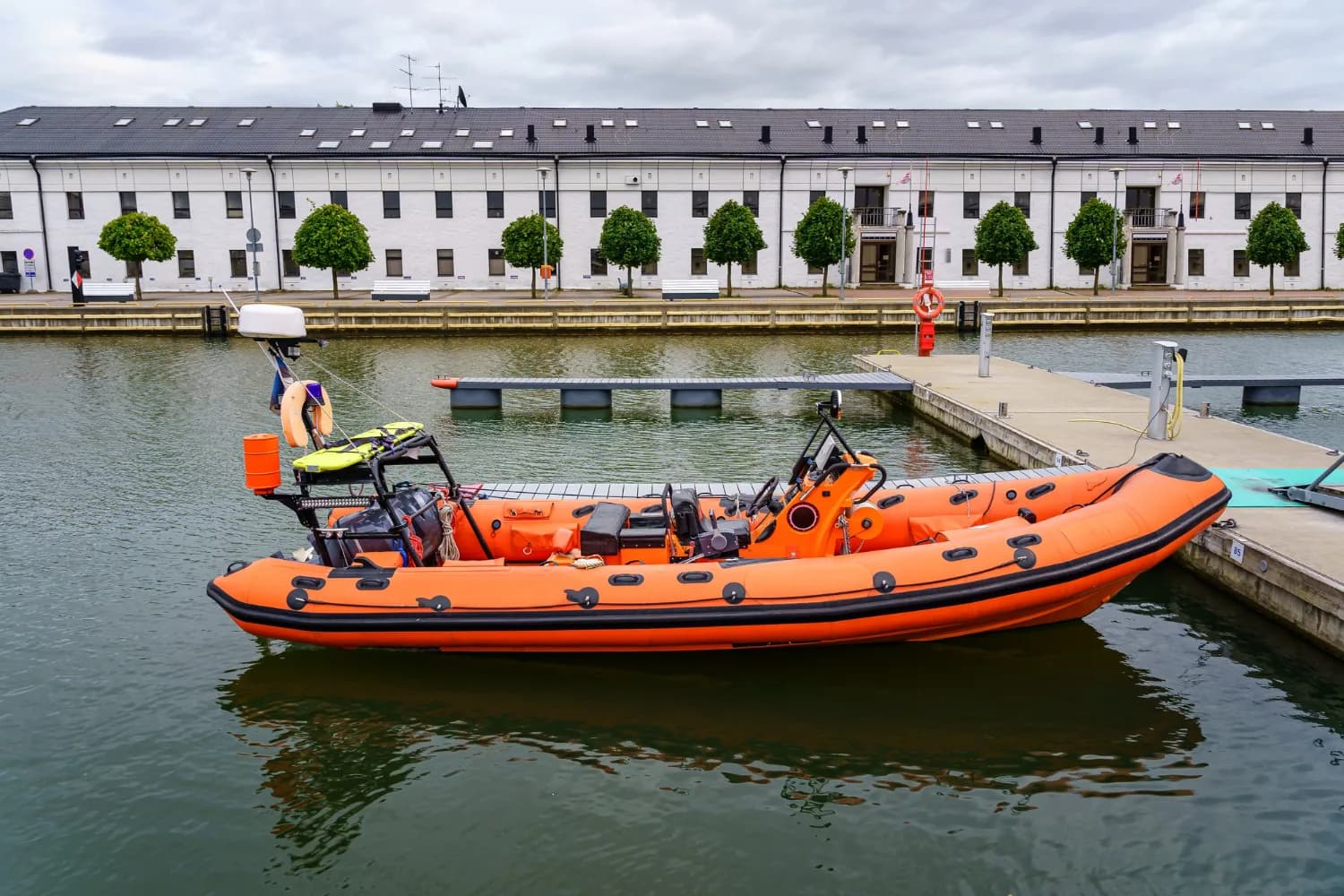


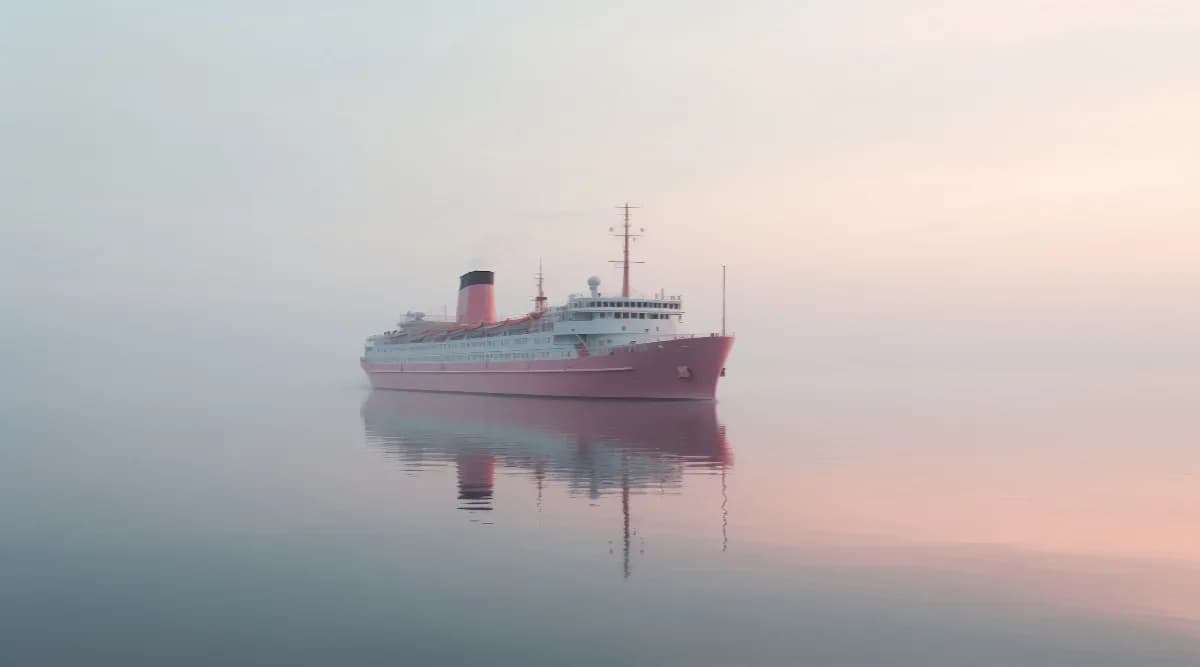
Ships waiting at anchor in the Gulf rely on launches to bring provisions, stores and spare parts across open water. In winter, two weather patterns tend to interrupt that routine. The first is the winter shamal, which brings strong northwesterly winds and rough seas, and the second is the sea fog, which sharply reduces visibility.
Neither is unusual, but either can push a planned delivery back by several hours or a full day. This article explains what each condition is, why it forms, and how supply teams, agents and vessels can plan launch deliveries around them.
Winter Weather Conditions in the Arabian Gulf and Their Impact on Shipping
Winters in the Gulf are mild, but the weather conditions in the Arabian Gulf change more often than many people expect. Winds shift direction, passing systems can bring squalls, and humid nights set the stage for fog. The cooler season is usually counted as December to March, with unsettled transition months on either side.
For shipping, these maritime weather conditions matter most at anchorage and during transfers between ship and shore. Both depend on safe boat handling and clear sight lines. Wave studies off Qatar show that Gulf waves are generally higher in winter than in summer, so an outer anchorage can feel very different from a sheltered berth.
What Is Winter Shamal and How Does It Affect the Arabian Gulf?
Shamal is the Arabic word for north, and it describes strong northwesterly winds that flow over Iraq and the Gulf states. A winter shamal in the Arabian Gulf often follows a passing weather system. These winds can reach around Beaufort 7, which is a near gale, and they often carry dust that reduces visibility.
Winter events usually last three to five days before easing, and another can follow after a short break. The Gulf is a long, semi-enclosed sea, so strong winds can build steep, choppy waves. For a launch, that makes approaching a ship at anchor, handling lines and moving stores far more difficult.
What Causes Sea Fog in the Arabian Gulf?
Sea fog in the Arabian Gulf forms when moist air cools to its dew point and water vapour condenses into tiny droplets near the surface. The Gulf supplies plenty of moisture, and the evening winds crossing it carry that moisture towards the coast. Most fog in the UAE is radiation fog, though moist air moving over cooler water can also produce it.
The main causes of sea fog are listed below.
High humidity: Warm Gulf waters add moisture to the air, and evening winds move it towards coastal areas.
Night cooling: Clear skies let the surface lose heat, which cools the air above it towards its dew point.
Very light winds: Calm conditions let moisture build up near the surface, while stronger winds mix it away.
Stable air: A temperature inversion traps cool, moist air beneath warmer air above it.
Warm seas and cool nights: Warmer water adds more moisture, and fog forms once nights are cool enough for saturation.
Dust particles: Tiny particles in the air give water vapour something to condense around.
Planning Launch Deliveries During Winter Weather in the Arabian Gulf
Launch deliveries are exposed to both hazards, since wind and swell affect boat handling while fog affects navigation and communication at anchorage. Building a margin into the schedule helps stores reach the vessel even when conditions change.
Two areas deserve attention when a delivery is being planned.
Weather Conditions to Check Before Scheduling a Launch
Review marine forecasts and NCM warnings for wind speed, sea state, visibility and fog alerts for the day of the run and the day before. Shamal events can last several days, so look at the whole delivery window instead of a single morning.
Coordinating Delivery Windows with Vessels and Agents
Agree a main window and a backup window with the vessel and the agent, then confirm the final time once conditions are clear. Sharing changes quickly lets the master plan crew availability and lets the supplier keep stores ready to load.
Managing Marine Supply Deliveries at Gulf Anchorages During Winter
Winter deliveries run more smoothly when orders are placed early, with some room for delay. Provisions, safety items and critical spares can be packed and staged ahead of time, so the launch can leave as soon as a weather window opens.
Fog needs light winds, while a shamal brings strong ones, so the two usually arrive in different spells. A delay for one can be followed by a busy period once the weather clears. Clear communication, flexible windows and realistic delivery times take pressure off crews and launch operators alike.
Conclusion
Winter weather in the Gulf rarely stops supply for long, but it often shifts the timing. Knowing how the winter shamal and sea fog form helps teams read forecasts, set realistic windows and avoid delays that could have been planned for.
Ocean Pride supplies provisions, deck stores, engine stores and spare parts to commercial vessels, and works with agents and masters on delivery timing. Sharing the ETA, anchorage details and order list early gives the team more room to plan around the weather.
FAQs
1. What is Winter Shamal in the Arabian Gulf?
It is a cold-season northwesterly wind that flows over Iraq and the Gulf states, often bringing rough seas and dust. Events usually pass within a few days.
2. When does Winter Shamal occur?
It occurs mainly from about December to March, in spells of a few days. A separate summer shamal also affects the Gulf, mainly from June to September.
3. How strong can Winter Shamal winds become?
Winds can reach around Beaufort 7, a near gale, at times. NCM warnings often describe rough to very rough seas in the Gulf during these events.
4. What causes sea fog in the Arabian Gulf?
Moist air cools to its dew point under clear, calm and stable conditions. The Gulf supplies the moisture, and dust particles help droplets form.
5. Why is fog more common in the UAE during winter?
Cooler nights and light winds bring humid air to its dew point. The Gulf keeps adding moisture, so fog forms most often through the cooler months.
6. How does sea fog affect shipping?
Reduced visibility slows navigation and boat handling. Launch runs and cargo transfers are often postponed until the fog lifts.
7. How do strong winds affect ships at anchorage?
Wind and waves can make a ship swing and pitch at anchor. They also make it harder for launches to come alongside safely.
8. Why are launch deliveries delayed during rough weather?
Rough seas make it unsafe to bring a launch alongside and move stores. Operators wait for a safer window to protect crew and cargo.